

A debit, sometimes abbreviated as Dr., is an entry that is recorded on the assets = liabilities + equity left side of the accounting ledger or T-account. The statement begins with the prior period’s ending balance and then methodically adds the current period’s net income and subtracts any dividends declared. This reconciliation provides transparency regarding the specific transactions that caused the change in the retained earnings account.
- This analysis is not just a reflection of past profitability but a beacon for future endeavors, signaling the company’s capacity to reinvest in its growth, pay dividends, or reduce debt.
- You can find retained earnings under the category of shareholder’s equity on your balance sheet.
- According to the Generally Accepted Accounting Principles, one should update retained earnings at the end of each year if there were any changes to the previous years’ net income or dividends.
- The dividend payable reduces the balance of retained earnings so it is debited in the financial books.
Net Income
- A net loss occurs when total expenses surpass total revenues for the period.
- This placement identifies RE as an ownership claim against the company’s assets, distinguishing it from external liabilities.
- Moreover, the entries in the income statement are finally transferred into the income summary after which, the deductions are made.
- Retained earnings represent the cumulative profits the company has kept after distributing dividends to shareholders.
- This financial figure is not a stagnant value but changes over accounting periods as the company earns more profits or incurs losses.
Prolonged periods of declining sales, increased expenses, or unsuccessful business ventures can lead to negative retained earnings. When an account has a balance that is opposite the expected normal balance of that account, the account is said to have an abnormal balance. For example, if an asset account which is expected to have a debit balance, shows a credit balance, then this is considered to be an abnormal balance. With only a few exceptions, the retained earnings account only gets credited or debited when closing out an accounting period. Yes, retained earnings can turn negative if a company consistently loses money or pays out more in dividends than it earns.
How are retained earnings calculated?
However, the path is not always upward, and the management of retained earnings is fraught with both opportunities and challenges. By examining various case studies, we can glean valuable lessons from the successes and pitfalls encountered by different companies in managing their retained earnings. The positive credit balance in the retained earnings account can flip to a negative debit balance under specific financial does retained earnings have a credit balance circumstances. An accumulated deficit occurs when cumulative net losses and total dividends declared outweigh the cumulative net income generated since inception.

Connecting Retained Earnings and Adjusted Trial Balance
Retained earnings represent a useful link between the income statement and the balance sheet, as they are recorded under shareholders’ equity, which connects the two statements. This reinvestment into the company aims to achieve even more earnings in the future. Retained earnings are listed under owner’s or shareholders’ equity, as they represent the company’s earnings after all dividends have been paid out. While net income measures a company’s earnings for a single period, retained earnings show the accumulation of profits over time. Retained earnings hold enormous significance for business owners and potential investors as they are a barometer of a company’s financial health and historical profitability. When a company consistently boasts positive retained earnings, it’s generally seen as a signal of a profitable company that can self-fund its growth, appealing to investors seeking stable investments.
Retained Earnings Journal Entries: A Step-by-Step Guide
These appropriations are often disclosed in the notes to the financial statements. This all flows from the sacred laws of double-entry bookkeeping, where every transaction has two sides. As an equity account, retained earnings grow with credits and shrink with debits. Sarah, a tech startup founder, was three years into profitability and facing her first big dividend decision. Her accounting team started a holy war over whether to debit or credit retained earnings for the dividend payout. It’s basically all the net income your company has ever made, minus all the cash you’ve handed out to shareholders as dividends.

Impact of Dividends
- These statements are key to both financial modeling and accounting.
- We’ll explain everything you need to know about retained earnings, including how to create retained earnings statements quickly and easily with accounting software.
- Debit simply means on the left side of the equation, whereas credit means on the right hand side of the equation as summarized in the table below.
- Let’s look at the actual mechanics of the most common retained earnings journal entries.
- If you’re not affiliated with one, you can visit our ProAdvisor page and look for one from there.
- The trajectory of retained earnings can offer insights into a company’s growth potential, financial health, and management’s confidence in future prospects.
- In the last credit or debit balance, whatever may become, it will be transferred into retained earnings or capital account in the balance sheet, and the income summary will be closed.
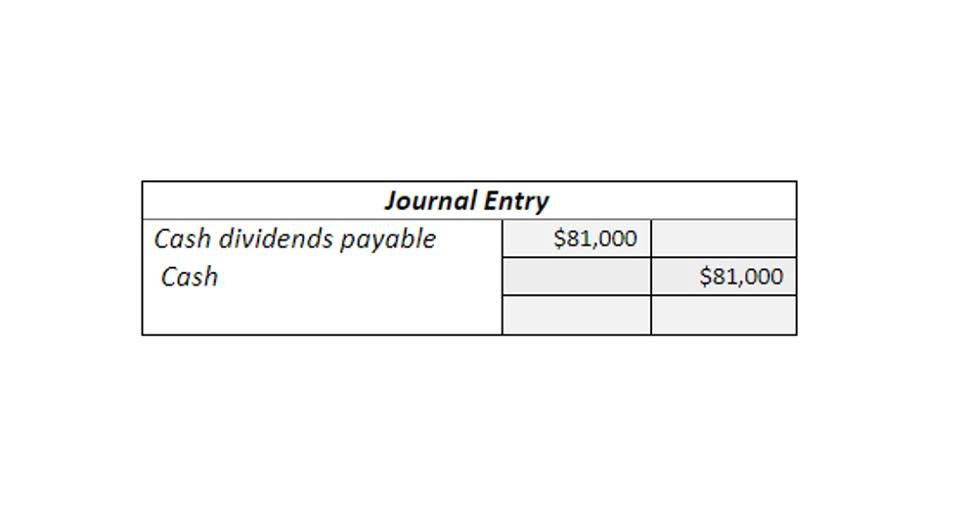
When dividends are declared by a corporation’s board of directors, a journal entry is made on the declaration date to debit Retained Earnings and credit the current liability Dividends Payable. It is the declaration of cash dividends that reduces Retained Earnings. Retained Earnings are listed on a balance sheet under the https://efindia.org/2022/09/13/how-to-track-salesforce-data-changes-with-audit/ shareholder’s equity section at the end of each accounting period. At the end of the period, you can calculate your final Retained Earnings balance for the balance sheet by taking the beginning period, adding any net income or net loss, and subtracting any dividends.